Perfume Inflation: Why Fragrance Prices Keep Rising (And What Smart Buyers Should Know)
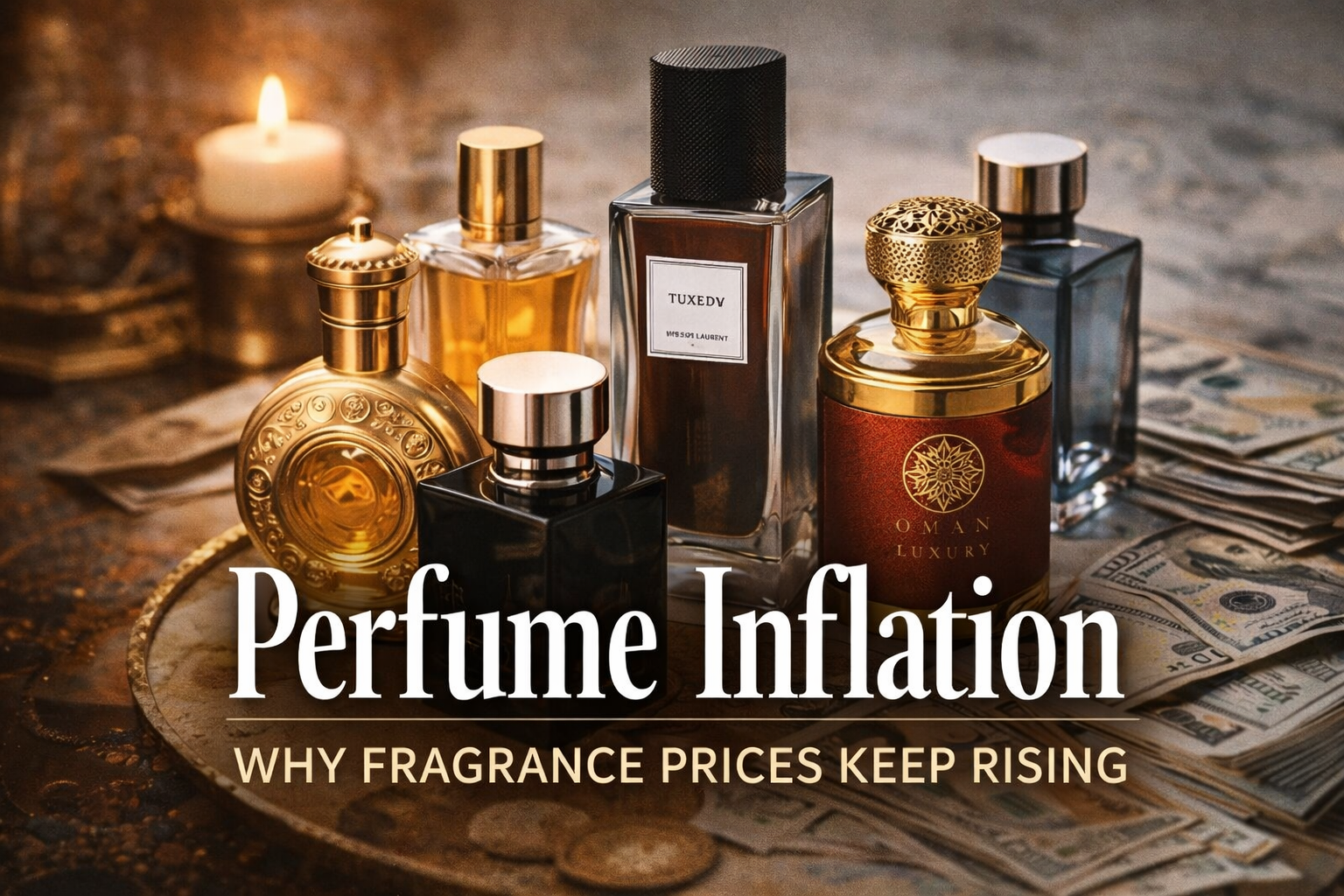
Luxury fragrance lovers around the world are noticing the same thing: perfume prices keep rising every year.
A bottle that cost $250 a few years ago may now sell for $350 or more. Some niche fragrances that were once considered expensive are now priced like luxury collectibles.
So what is really happening?
Is it just branding and marketing—or is there a deeper economic reason behind the rising cost of perfume?
In this guide, we break down the real causes of perfume inflation, why luxury fragrances are becoming more expensive, and how smart buyers can still make intelligent purchases.
What Is Perfume Inflation?
Perfume inflation refers to the steady increase in the price of fragrances over time due to factors such as rising raw material costs, global supply chain pressures, currency fluctuations, and luxury brand positioning.
Unlike many consumer goods, perfumes—especially niche and luxury fragrances—are affected by both economic forces and brand prestige strategies.
In simple terms, perfume prices rise because:
- Ingredients cost more
- Production costs increase
- Luxury brands intentionally reposition products at higher price points
1. Rising Cost of Natural Ingredients
One of the biggest drivers of perfume inflation is the cost of raw materials.
Many high-end perfumes contain rare and expensive ingredients such as:
- Natural oud
- Bulgarian rose
- Jasmine absolute
- Ambergris
- Sandalwood
These materials are difficult to produce and often depend on agriculture, climate conditions, and global supply chains.
For example:
Oud
Natural oud is one of the most expensive fragrance ingredients in the world. High-quality oud oil can cost thousands of dollars per kilogram due to its rarity and complex harvesting process.
Sandalwood
Sandalwood has become increasingly scarce due to overharvesting and strict export regulations in producing countries.
When ingredient costs increase, perfume brands must adjust retail prices accordingly.
2. Supply Chain and Production Costs
Since 2020, global supply chains have become significantly more expensive.
Perfume production involves multiple stages:
- ingredient sourcing
- alcohol production
- bottle manufacturing
- packaging
- shipping
Each of these steps has experienced cost increases due to energy prices, transportation costs, and manufacturing disruptions.
Even the glass bottles and luxury packaging used in premium perfumes have become more expensive to produce.
3. Luxury Brand Positioning
Another reason fragrance prices continue to rise is strategic luxury positioning.
Luxury brands often increase prices intentionally to maintain exclusivity and prestige.
Higher prices can create the perception of:
- rarity
- craftsmanship
- higher quality
Many niche houses position their perfumes closer to luxury fashion or fine jewelry, rather than everyday consumer products.
This is why some fragrances from houses like Clive Christian or Boadicea the Victorious can command extremely high prices.
In luxury markets, price itself can become part of the brand identity.
4. Currency Fluctuations and Import Costs
Fragrances are typically produced in countries such as:
- France
- Italy
- Switzerland
- the United Kingdom
- the Middle East
When currencies fluctuate, the cost of importing luxury perfumes into other countries rises.
Retailers must account for:
- import duties
- shipping costs
- currency exchange rates
These factors significantly affect final retail prices in international markets.
5. The Growth of Niche Fragrance
Another major factor behind perfume inflation is the rapid growth of niche fragrance brands.
Unlike designer fragrances, niche houses focus on:
- higher ingredient concentrations
- unique compositions
- limited production runs
- artistic expression
Brands such as:
- BDK Parfums
- Oman Luxury
have helped reshape consumer expectations.
Many fragrance enthusiasts are now willing to pay significantly more for:
- originality
- stronger performance
- artistic scent profiles
This demand naturally pushes average perfume prices higher.
6. The Rise of Extrait and High Concentrations
Another trend contributing to perfume inflation is the shift toward higher fragrance concentrations.
Many brands now release:
- extrait de parfum
- elixir versions
- intense editions
These versions contain more fragrance oils, which increases production costs.
However, they also provide stronger projection and longer-lasting performance—qualities many fragrance enthusiasts seek.
7. Collector Culture and Limited Editions
Perfume is no longer just a beauty product. For many enthusiasts, it has become a collectible luxury item.
Limited releases, exclusive editions, and discontinued fragrances can dramatically increase in value.
Collectors actively seek rare bottles, which encourages brands to release:
- limited batches
- exclusive retailer editions
- anniversary collections
This collector culture contributes to higher price points across the industry.
How Smart Buyers Navigate Perfume Inflation
While perfume prices continue to rise, smart fragrance buyers use strategies to make better purchasing decisions.
1. Buy From Trusted Retailers
Authenticity is critical when purchasing expensive fragrances.
Buying from reputable stores ensures quality and protects against counterfeit products.
2. Focus on Quality Over Quantity
Instead of buying many fragrances, experienced collectors often invest in a smaller number of exceptional perfumes.
3. Build a Strategic Fragrance Wardrobe
A well-curated fragrance wardrobe typically includes:
- a daily scent
- a formal scent
- a seasonal scent
- a signature statement fragrance
This approach prevents unnecessary spending while maintaining versatility.
4. Understand Fragrance Performance
Some perfumes offer significantly better longevity and projection, making them more valuable over time.
The Future of Perfume Prices
Industry experts expect fragrance prices to continue rising in the coming years.
Key drivers include:
- increased demand for luxury fragrances
- scarcity of natural ingredients
- rising production costs
- growing niche fragrance culture
For fragrance enthusiasts, this means buying intelligently and appreciating the craftsmanship behind luxury perfumes.
Final Thoughts
Perfume inflation is not simply a marketing tactic—it reflects real changes in ingredient sourcing, global economics, and luxury brand strategy.
As fragrances continue to evolve from everyday products into luxury experiences and collectible items, prices will likely continue to climb.
For fragrance lovers, the key is to focus on quality, authenticity, and personal scent identity rather than chasing every new release.