Fragrance Fatigue: Why Your Perfume Stops Working After a While.
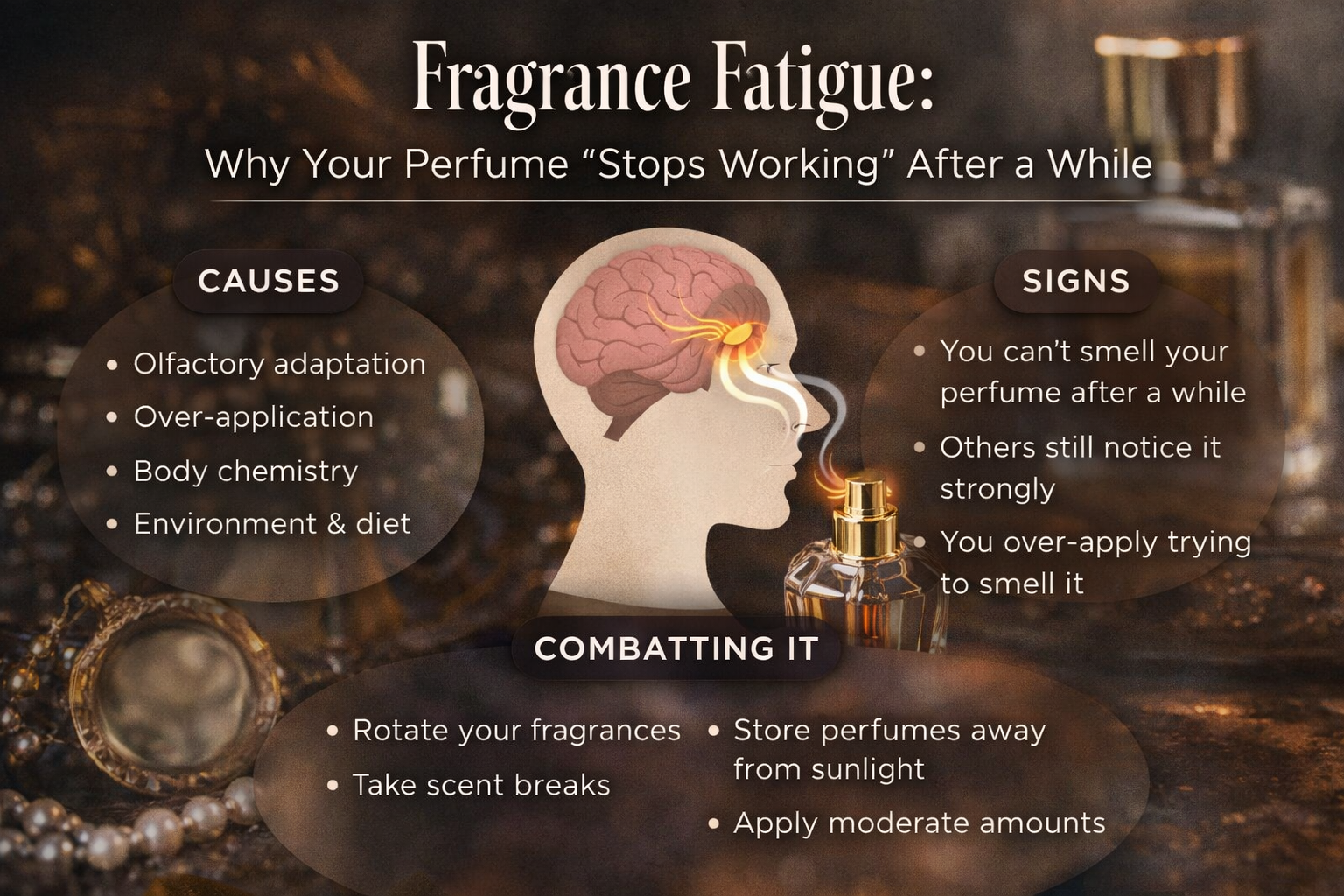
Let’s cut through the fluff: if you’ve ever noticed that a perfume you loved suddenly seems weak or even disappears on your skin, it’s not just your imagination. This is a real phenomenon called fragrance fatigue, and understanding it is the difference between wasting money and mastering your scent strategy.
1. What is Fragrance Fatigue?
Fragrance fatigue happens when your nose and brain stop detecting a scent after repeated exposure. Essentially, your olfactory system becomes desensitized to the perfume you’re wearing, even though the fragrance is still present.
This is why sometimes you spray a perfume and don’t smell it, but others around you still notice it.
Key points:
- It’s physiological, not a sign of a weak perfume.
- It happens faster with heavy or complex scents.
- It can create the illusion that your fragrance is fading sooner than it actually is.
2. Why Fragrance Fatigue Happens
A. Olfactory Adaptation
Your nose is designed to detect new odors. Constant exposure to the same scent signals the brain: “Nothing new, ignore it.”
- This is why walking into a room with a single dominant scent eventually stops registering it.
- Your brain focuses on novel smells for survival — not luxury perfume.
B. Environmental and Lifestyle Factors
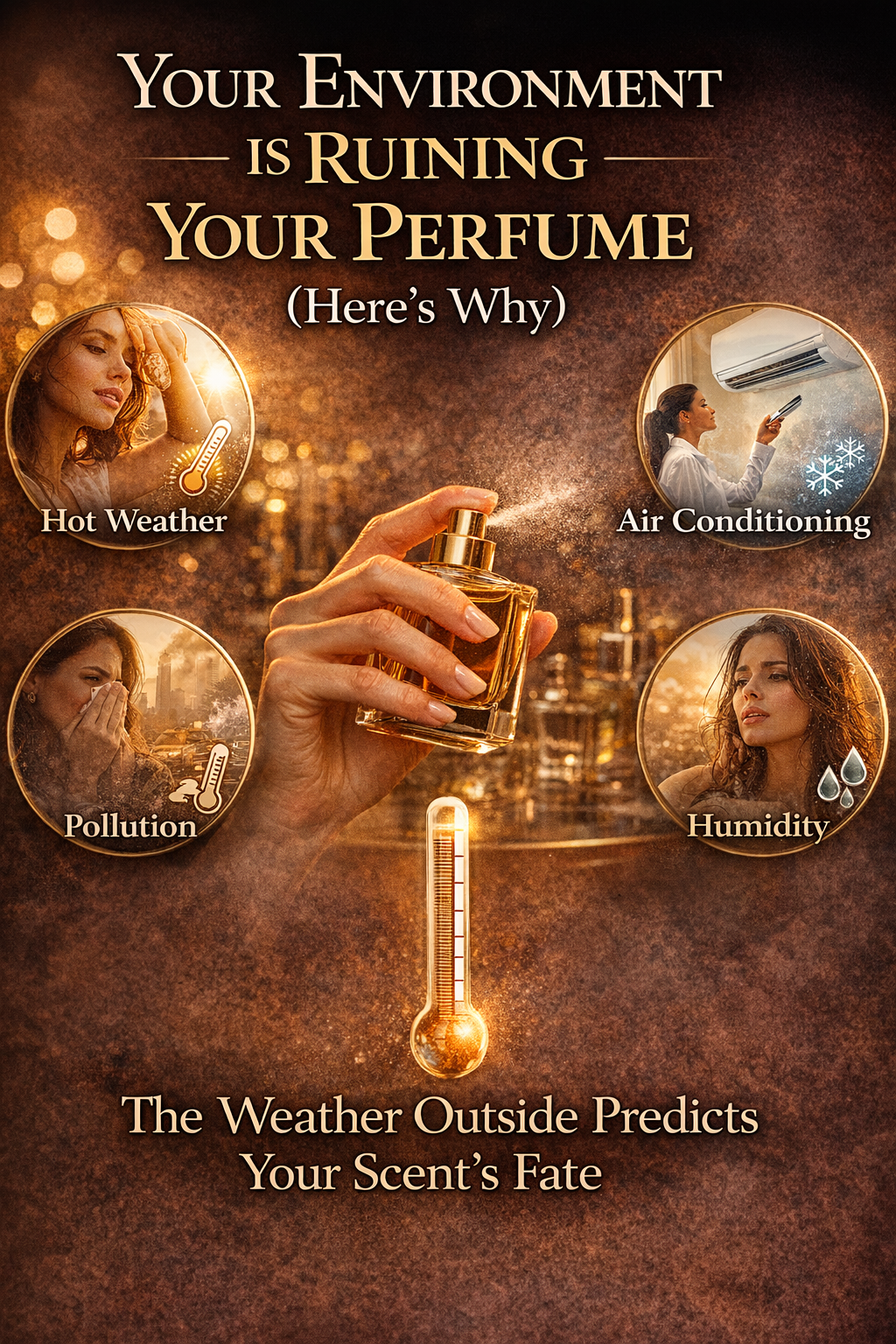
- Hot or humid climates can accelerate evaporation and intensify top notes, causing fatigue faster.
- High-stress or busy environments can affect your perception of scent.
- Body chemistry changes (diet, hormones, skin pH) can alter how a fragrance develops and is perceived.
C. Over-Application
Spraying too much perfume too often can overwhelm your olfactory system. The result: your brain shuts down detection temporarily, even if others can still smell it.
D. Perfume Composition
- Highly complex fragrances with many layers (e.g., heavy oriental or oud-based scents) are more prone to fatigue.
- Simple, fresh scents tend to feel “lighter” over time, which may be misinterpreted as fading.
3. Signs You’re Experiencing Fragrance Fatigue
- You spray the perfume and don’t smell it at all after 10–15 minutes.
- You notice others still comment on the scent while you cannot detect it.
- You overcompensate by adding more perfume but still can’t smell it.
- You feel like every bottle is weaker than before despite proper storage.
4. How to Combat Fragrance Fatigue
A. Rotate Your Fragrances
- Avoid wearing the same perfume every day.
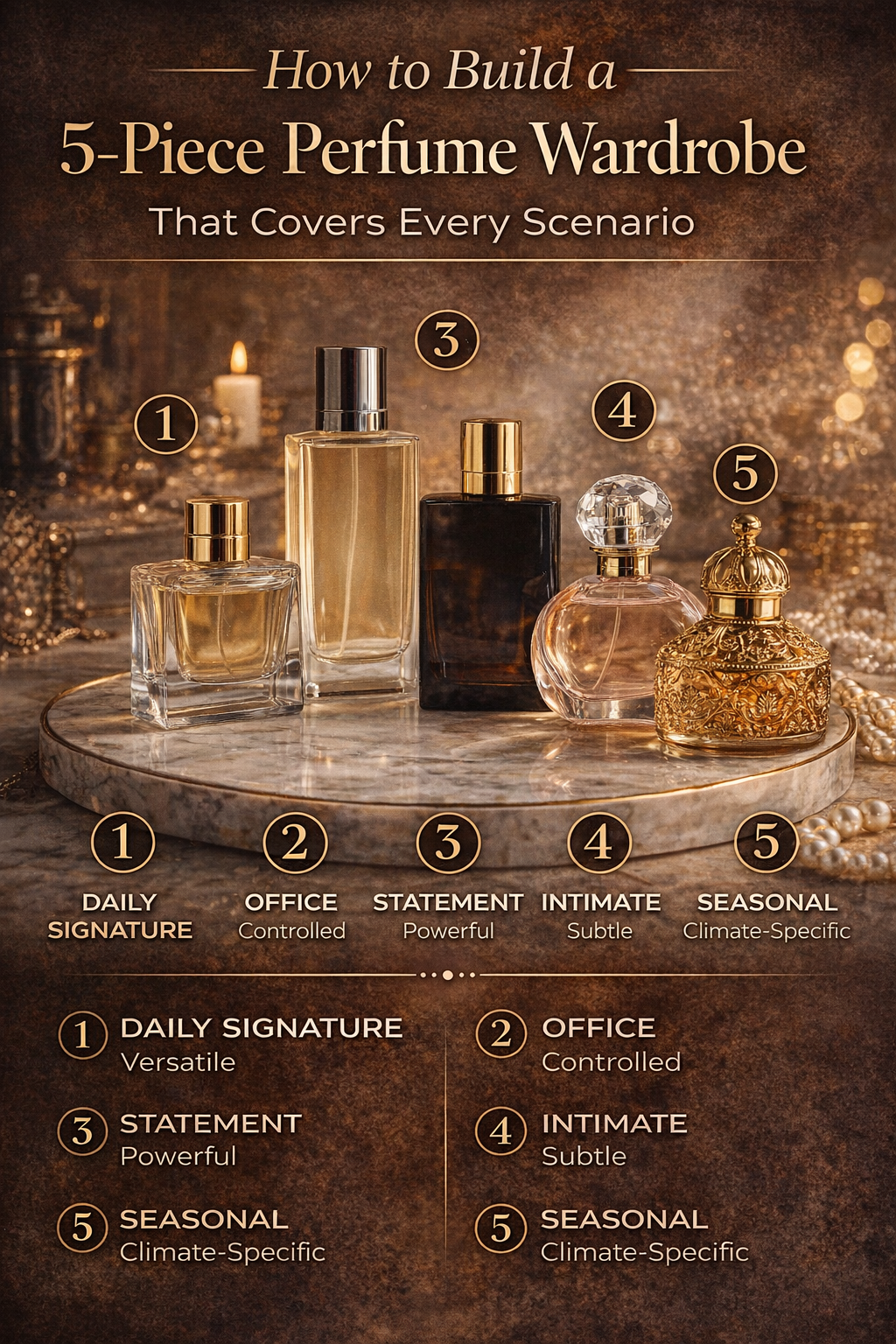
- Build a 3–5 fragrance rotation based on season, occasion, or mood.
- This keeps your nose sensitive and your perception fresh.
B. Apply Strategically
- Apply on pulse points (wrists, neck, behind ears, chest) but don’t oversaturate.
- Layering with unscented lotion can help diffuse the scent more naturally.
C. Store Properly
- Heat, light, and humidity accelerate degradation.
- Keep perfumes in cool, dark spaces, away from windows or radiators.
- Proper storage prolongs both scent integrity and oil concentration.
D. Reset Your Nose
- Step away from your fragrance for a day or two.
- Wash off the perfume and let your senses reset before using it again.
- Small breaks can restore your perception dramatically.
E. Mind Your Environment
- High-stress, smoke, or strong food aromas can mask fragrance.
- Be aware of how your surroundings affect your ability to detect and enjoy scents.
5. Why Others Can Still Smell It
It’s important to remember: fragrance fatigue is mostly a personal perception issue. Other people may still smell your perfume strongly.
- This means your perfume is working, but your nose is ignoring it.
- This is a key concept for anyone buying high-quality luxury perfumes — don’t judge strength by your own nose alone.
6. Fragrance Fatigue vs. Perfume Degradation
Don’t confuse fatigue with a degraded perfume:
Fragrance Fatigue:
- Olfactory desensitization
- Perfume is intact
- Temporary loss of perception
Perfume Degradation:
- Caused by poor storage or age
- Changes in color, smell, or performance
- Permanent decline in scent quality
7. The Psychology of Scent Overexposure
- Your brain forms emotional bonds with scents. Overexposure can create neutrality, reducing emotional impact.
- Limited, intentional usage increases scent memory and social recognition.
- This is why signature scent strategy works: people remember you by your fragrance, not by the fact that you constantly wear everything.
8. Strategic Takeaways
- Fragrance fatigue is natural — it’s your brain protecting you from constant stimulation.
- Rotating fragrances preserves both perception and enjoyment.
- Quality perfumes last, but overexposure makes them feel “weak.”
- Proper storage and strategic application maximize performance.
- Signature scents work best when paired with rotation and occasional breaks.
9. Final Thought
Luxury fragrance is an investment in perception and presence.
If you feel like your perfume “stopped working,” don’t panic — it hasn’t. Your nose just needs a reset.